Average Reviews:

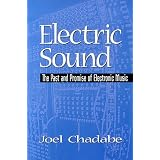
(More customer reviews)Although there was a spate of published historical surveys of electronic music during the early-to-mid 1970's, with the exception of Peter Manning's *Electronic & Computer Music*, there have been almost no synoptic overviews of the subject since then. Now comes Joel Chadabe's *Electric Sound*. One must admit that Chadabe's book does fill a void in the historical consideration of electronic music, and, for that reason alone, I wish that I could be more enthusiastic about it. The focus of this extremely overpriced paperbound book, however, is less on the significant achievements of composers of electronic music than it is on the technological means of creating it. One is hard pressed, indeed, to find references to more than a handful of significant compositions. Such an attitude is typical of the Post-Modern mentality (and, yes, there is such a thing, I'm sorry to say), in which artists of all stripes arrogantly offer over-intellectualized concepts and elaborate compositional and performance processes as justification for whatever results they achieve, no matter how nugatory these results may be. Here, one finds an inadvertent confirmation of that most basic critique of electronic music: That it is ultimately the soundtrack to a futuristic, technocratic nightmare in which the technology itself has become more vibrant and alive than those who create and ostensibly manipulate it. If one were to go by this book, then one would be justified in believing that, with perhaps the exception of Stockhausen's works, there have been no masterpieces of electronic music whatsoever. There has, however, been a lot of interesting hardware and software created for it. Could there be a more damning indictment of any artistic field of endeavor?
I should add that this book also suffers from the usual flaws that one might expect when a contemporary artist surveys his own field: in this case, aesthetic bias and cronyism. On the other hand, *Electric Sound* does at least cover the activities of most of the putative major figures in the field from the 1970's to the mid-1990's (although, again, it does this principally in terms of what technology they happen to be using). For this reason, I give it a provisional recommendation, simply because it is the only book I know, besides Peter Manning's also somewhat flawed, but generally far better effort, that covers this period at all. The definitive history of electronic and computer music, however, remains to be written.
Click Here to see more reviews about: Electric Sound: The Past and Promise of Electronic Music
With a truly global perspective, this vivid and readable narrative provides a comprehensive overview of the history of electronic music. The author draws upon his combined experience as composer, performer, researcher, entrepreneur, and teacher to provide insight into every aspect of electronic music, including the music itself, the instruments, and the business. Based on more than 150 interviews with leaders in the field, this book allows readers to understand how and why the musicians, engineers and businessmen did what they did to develop the modern synthesizer to its current state.
 Get 36% OFF
Click here for more information about Electric Sound: The Past and Promise of Electronic Music

0 comments:
Post a Comment